 Image 1 of 3
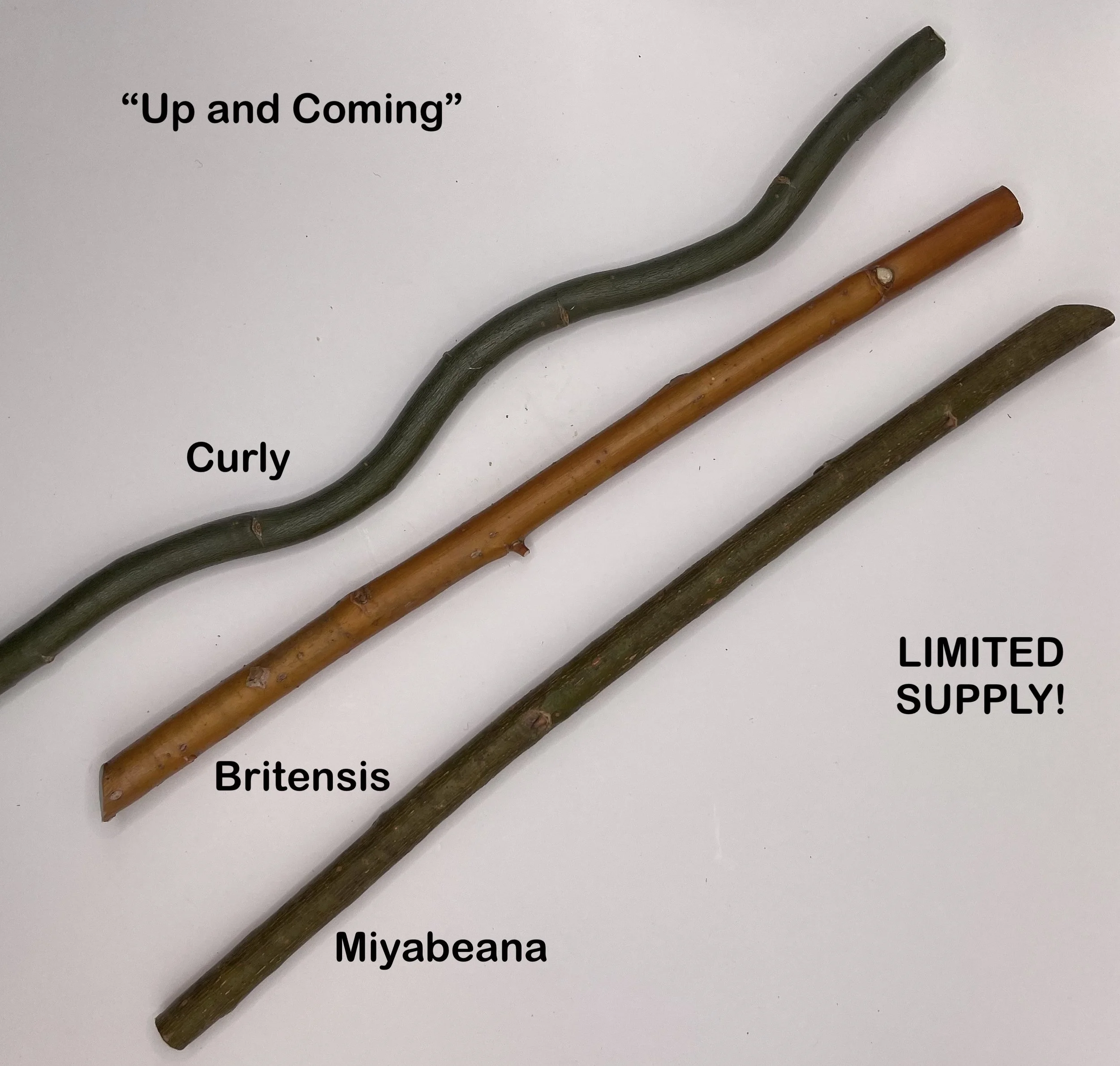 Image 2 of 3
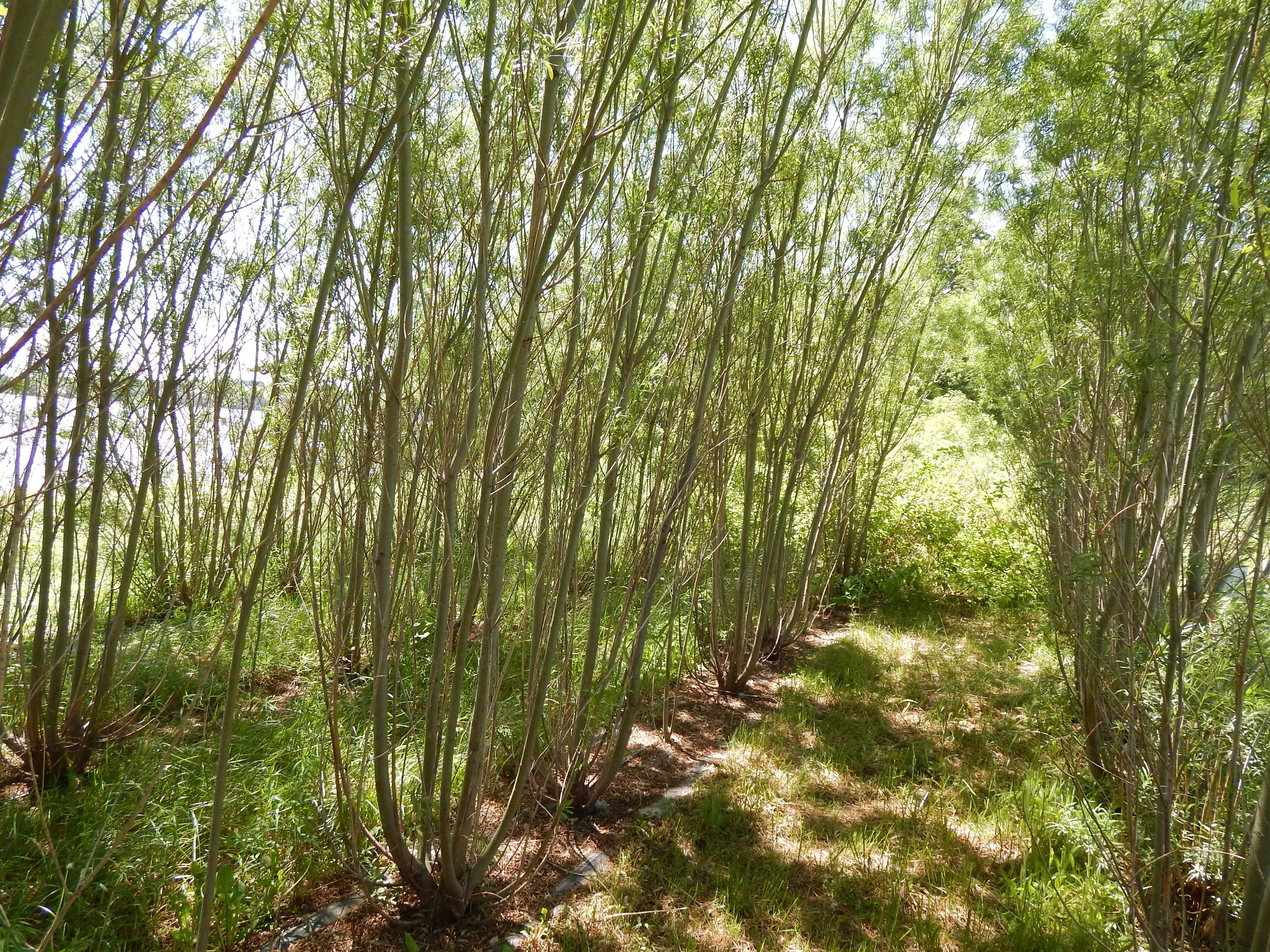 Image 3 of 3
FAQs
-
Cuttings are small sections of woody plants used for propagation—essentially a “stick” with incredible potential. If only every tree could be grown this way, imagine how quickly we could plant fields of forests.
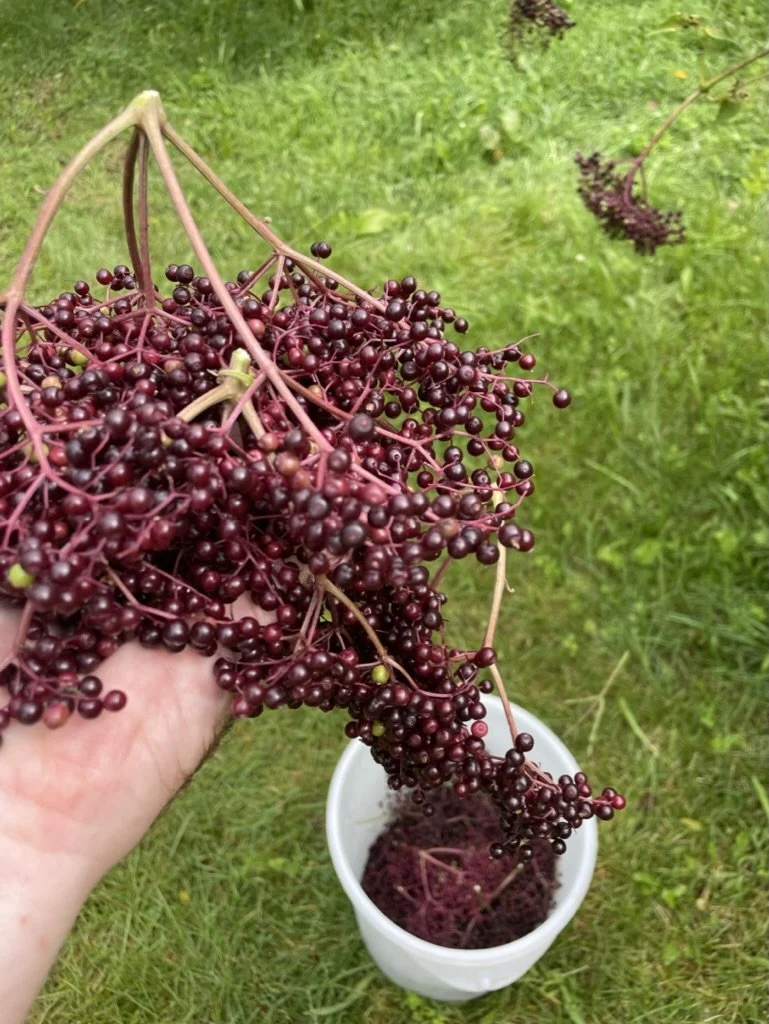
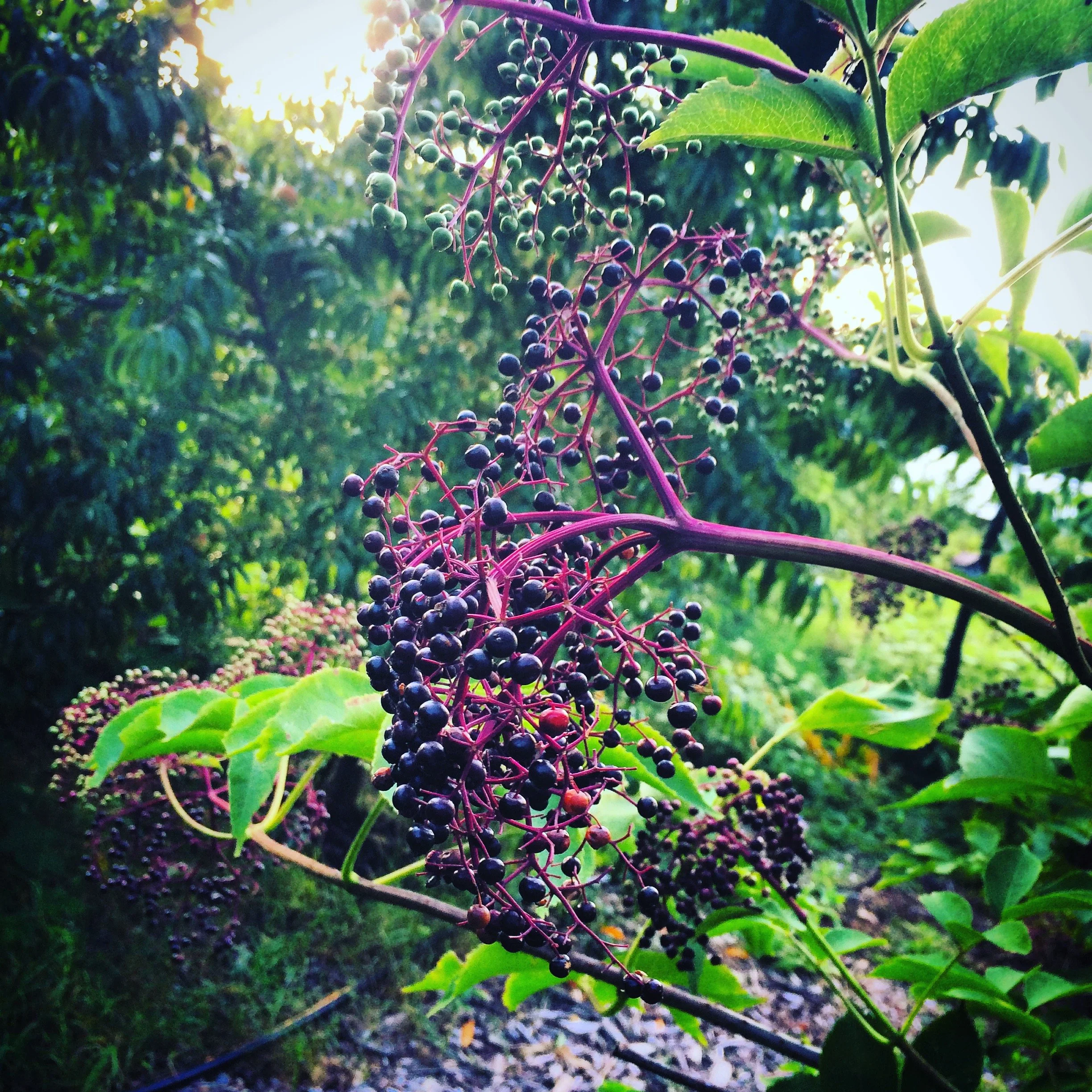
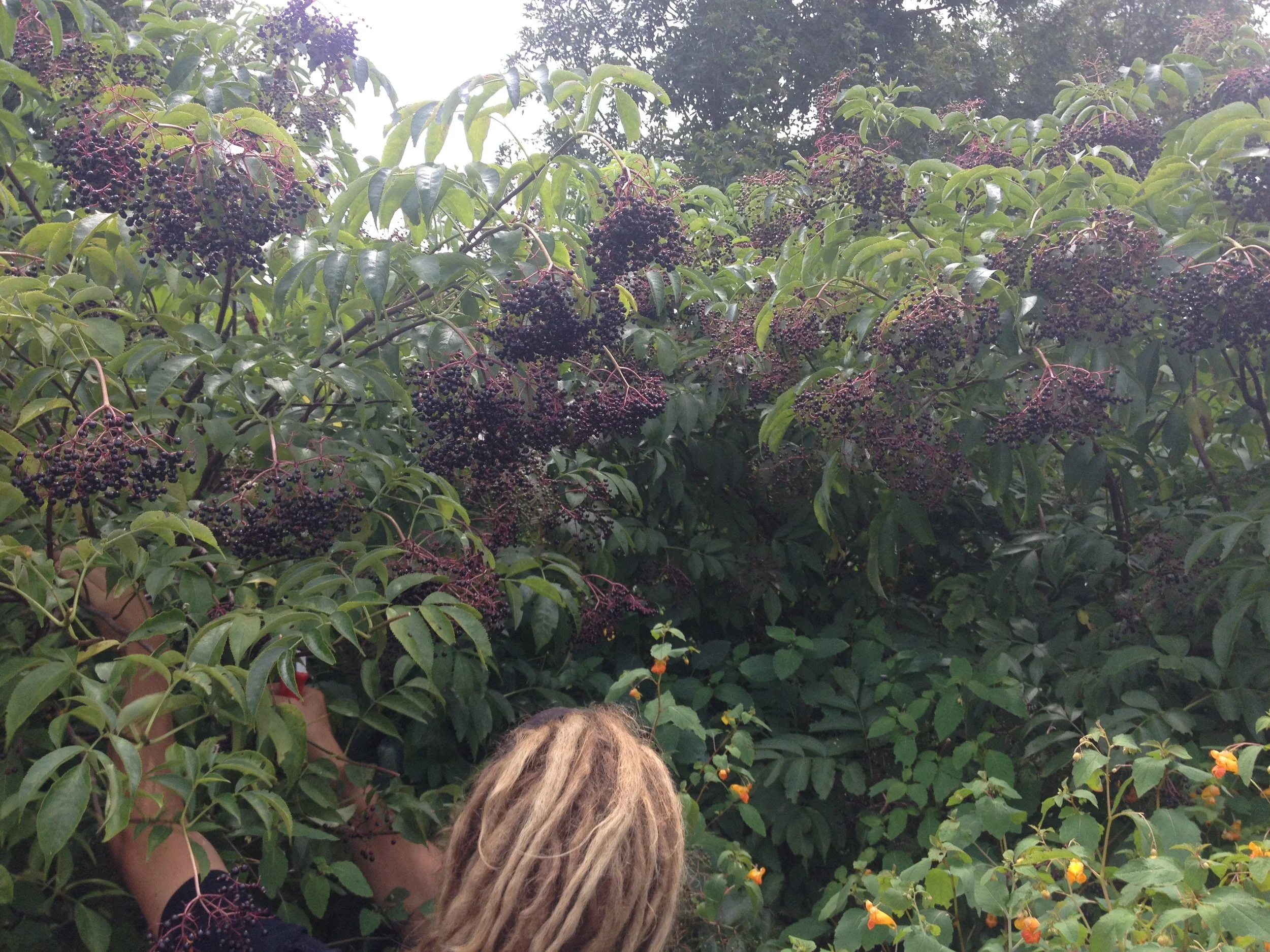
We focus on plants like willow and elderberry because they are widely adaptable, prolific, and exceptionally easy to get started. Once established, they can become a long-term source of planting material for years to come.
Cuttings are typically 6–10 inches long and are taken from dormant plants, meaning they are harvested after leaf drop and before spring bud break. We recommend growing them in a nursery setting for a year or two before planting into the field. Cuttings can also be safely stored for weeks or months in sealed bags with a bit of moisture in a refrigerator or walk-in cooler to keep them dormant until planting time.
For larger or direct field plantings, please reach out to us about live stakes, which are thicker and longer than standard cuttings and are better suited to erosion control, riparian work, or quick establishment.
-
Place cuttings right side up (diagonal cut down) in loose soil and be sure that at least ⅔ of the cutting is buried. You can also start cuttings in a simple jar of water—submerging the lower half—for a week or two to encourage early rooting, then transplant into soil once small roots appear. Whether starting in water, containers, or nursery beds, good soil contact and consistent moisture are key to early success.
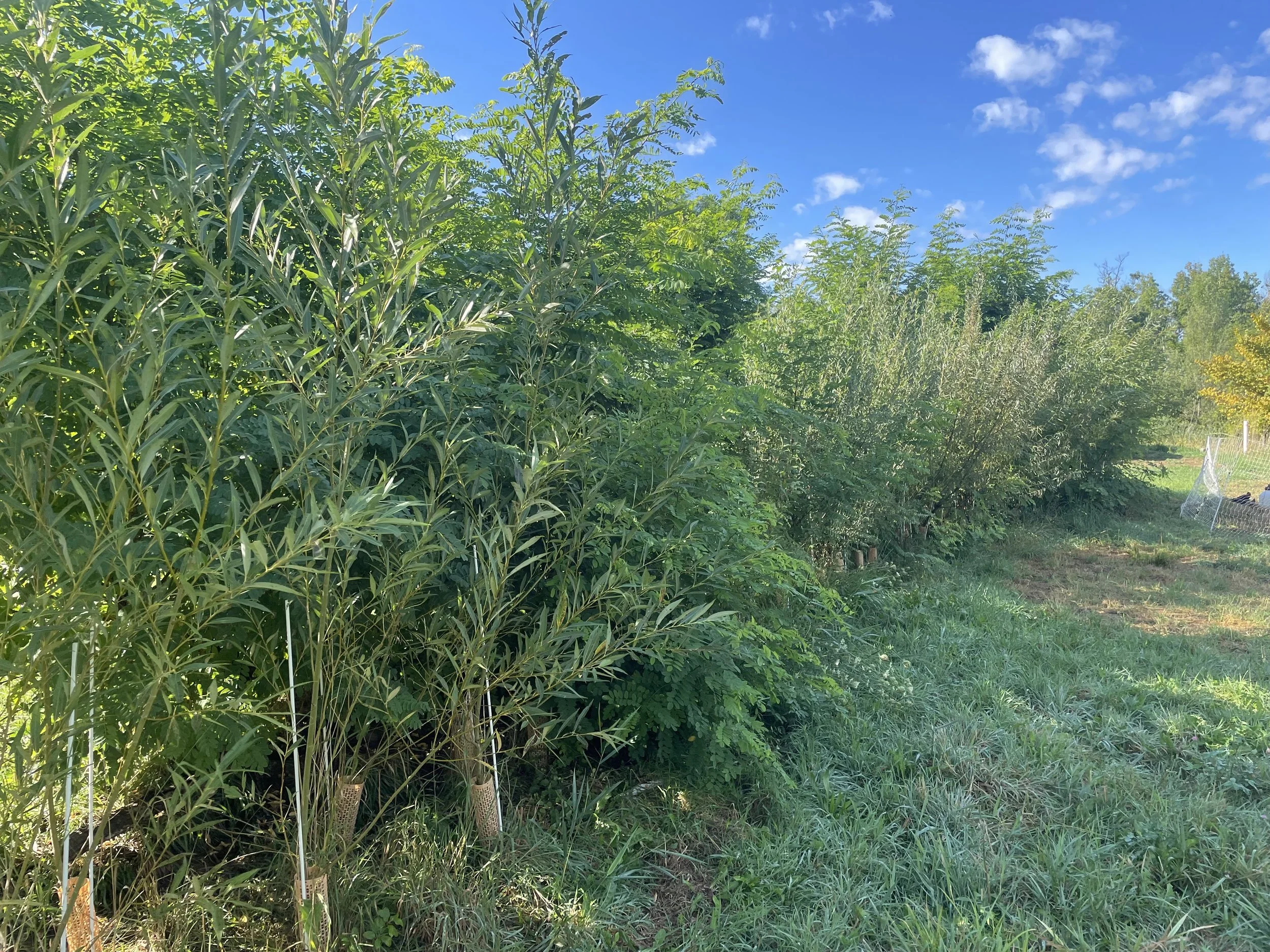
Willow and elderberry can be planted as single specimens or in dense plantings such as hedges, living fences, windbreaks, or fodder blocks. Spacing and layout will depend on your goals—privacy, biomass, animal fodder, or fruit production.
Planting willows doesn’t involve a lot of site preparation, although once they are planted it is important to monitor surrounding vegetation pressure, water access, and herbivore browse. Newly planted cuttings and young plants should be kept consistently hydrated during their first few months, either through drip irrigation or regular watering.
To manage competing vegetation, we recommend heavy mulching with wood chips, mulch, or cardboard. You can also use landscape fabric, though we encourage minimizing plastic where possible.
To manage herbivore browse, physical barriers such as welded wire cages, tree tubes, or perimeter fencing are often essential during establishment. Once willows and elderberries grow above browse height, they are generally quite resilient and forgiving.
Willow and elderberry can be planted as single specimens or in dense plantings such as hedges, living fences, windbreaks, or fodder blocks. Spacing and layout will depend on your goals—privacy, biomass, animal fodder, or fruit production.
-
Our goal is to be a well-informed provider of these lovely plant friends so you feel prepared to make the right selection for your context and goals. Over the last 15 years, through research plantings and hands-on experimentation, we have identified these varieties because they offer a multi-functional benefit to agroforestry landscapes; we are interested in those that who good conservation value (habitat, soil and water health) as well as productive uses (materials, shade, shelter, fodder).
Because every context is different, we encourage you to sample and try what works best in your unique situation. A strategy we often recommend is to start small: plant one to three individuals of several varieties, observe how they respond to your soils, moisture, and management style, and then propagate more from the best-performing “mother plants” in the years to come.
One of the quiet gifts of working with dormant hardwood cuttings is that it shifts power back to growers. Once you have a healthy willow or elderberry established, you are no longer dependent on purchasing plants—you can propagate your own material indefinitely through annual pruning and winter cuttings.
We see this as a deeply regenerative practice: learning plants intimately over time, selecting for resilience, and building living systems that become more generous with age.
-
This is a common and important question, and the answer is more nuanced than a simple native vs. non-native distinction.
Willows are one of the most adaptable and genetically fluid groups of trees on the planet. With hundreds of species worldwide and a strong tendency to hybridize naturally, willows readily cross wherever their ranges overlap. As a result, many willows growing along streams, farms, and roadsides today are already complex blends of species and hybrids rather than clear, static natives.
Many of the willow species and hybrids we work with have been present in North America for well over a century. During that time, they have integrated into local ecosystems—supporting pollinators, insects, birds, soil life, and riparian stability. In working landscapes, we often observe these long-established willows functioning much like native species, and in some cases outperforming them where rapid growth, regrowth after cutting, and resilience are required.
It’s also important to zoom out. No part of the natural landscape has been unaffected by humans, and by the same logic often applied to plants, humans are the most globally “invasive” species of all. Rather than aiming for a static, pre-human snapshot of ecology, our approach focuses on responsibility, relationship, and function—choosing plants that heal soils, stabilize water, support biodiversity, feed animals and people, and respond well to management.
That said, we take species behavior seriously. We avoid varieties known to spread aggressively beyond managed areas, favor selections that stay where they are planted, and continuously observe how these plants behave over time on our land. Our guiding question is not simply Where is this plant from? but How does it behave here, and what does it offer this place?