 Image 1 of 3
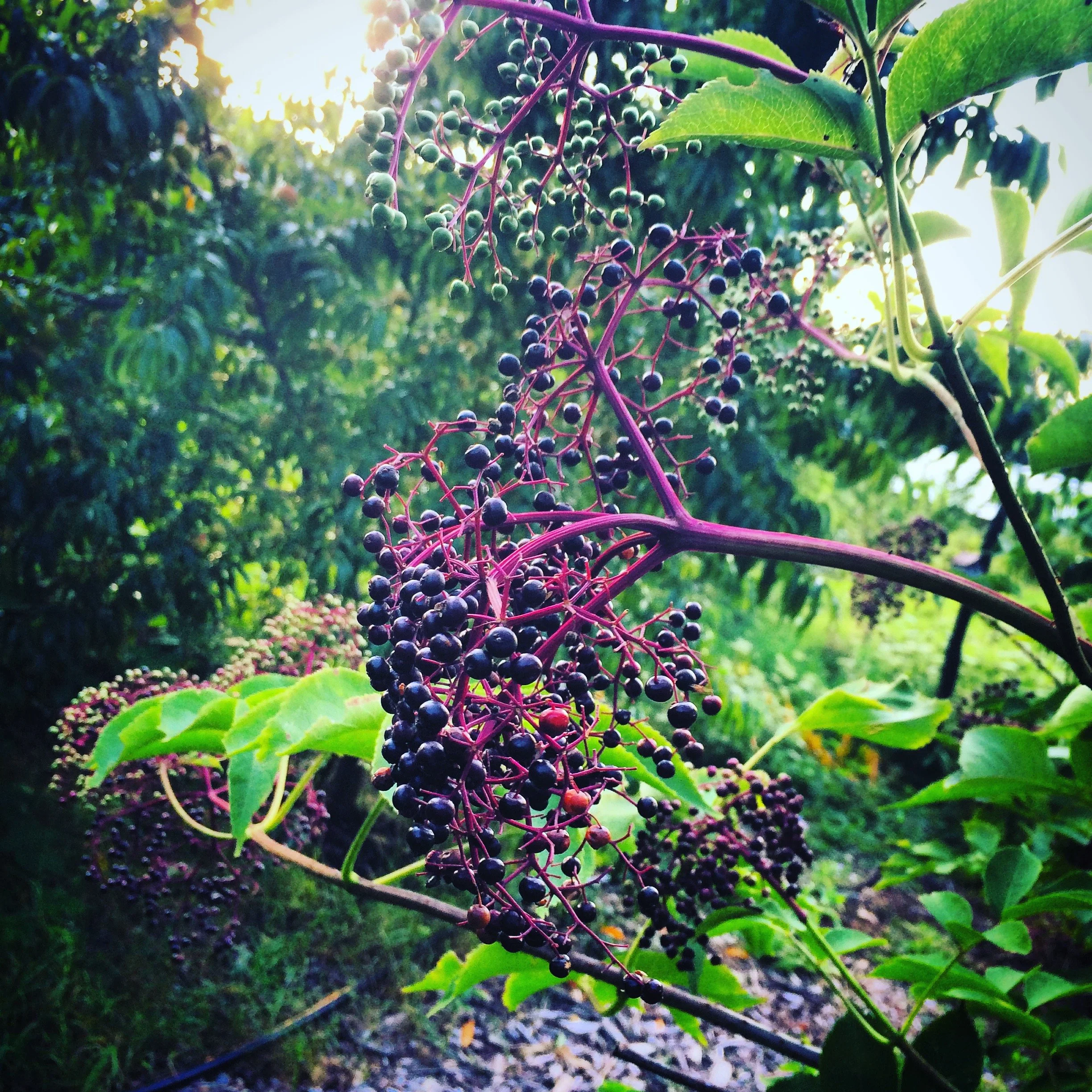 Image 2 of 3
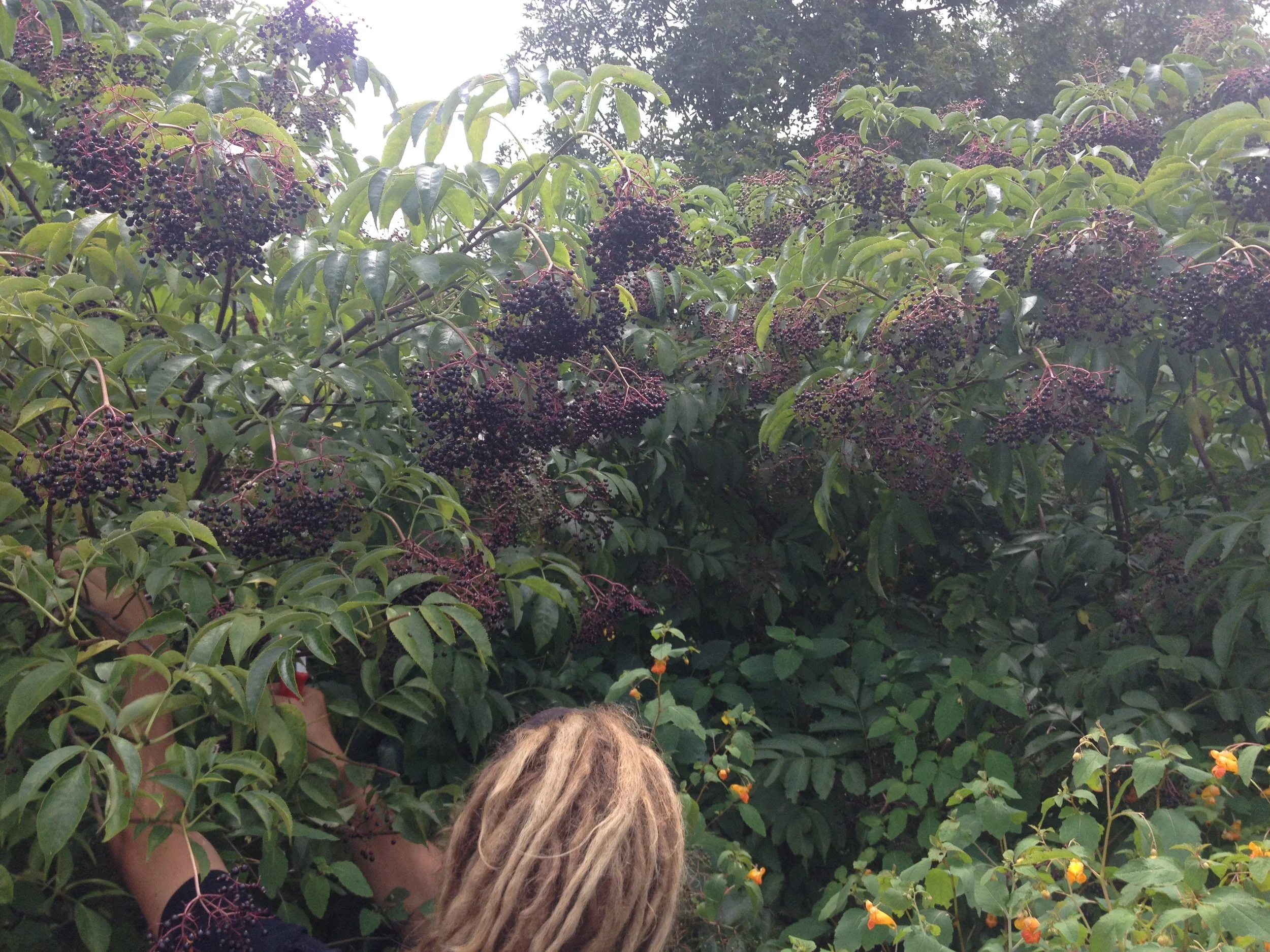 Image 3 of 3
FAQs
-
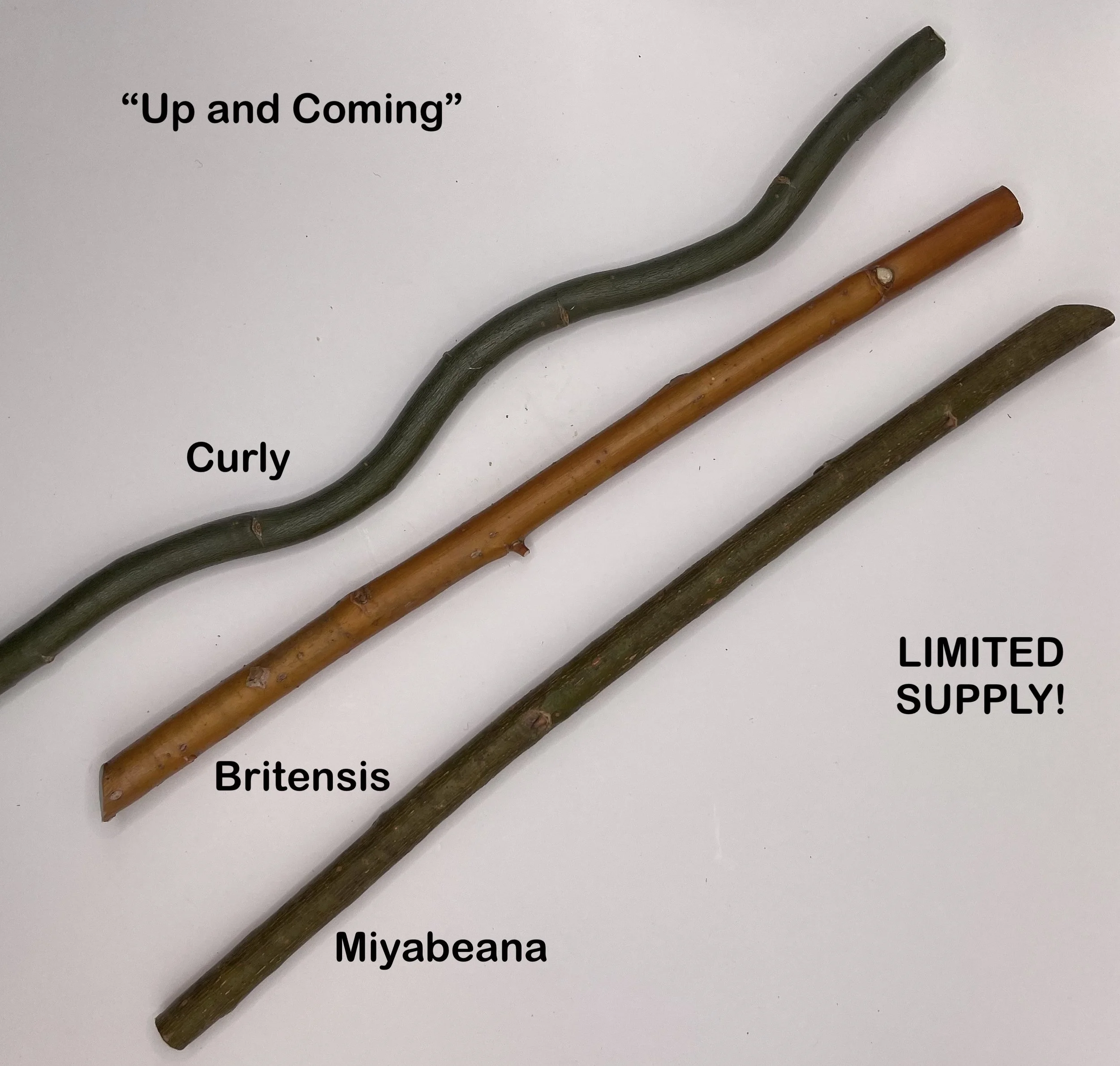
Cuttings are small sections of woody plants used for propagation—essentially a “stick” with incredible potential. If only every tree could be grown this way, imagine how quickly we could plant fields of forests.
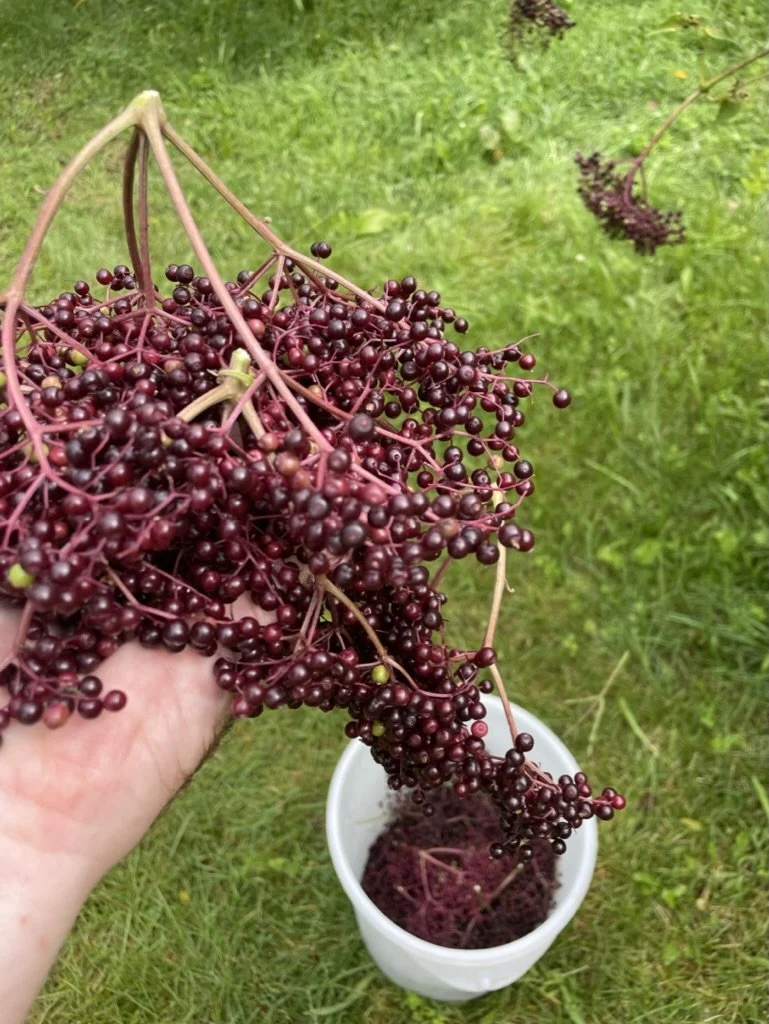
We focus on plants like willow and elderberry because they are widely adaptable, prolific, and exceptionally easy to get started. Once established, they can become a long-term source of planting material for years to come.
Cuttings are typically 6–10 inches long and are taken from dormant plants, meaning they are harvested after leaf drop and before spring bud break. We recommend growing them in a nursery setting for a year or two before planting into the field. Cuttings can also be safely stored for weeks or months in sealed bags with a bit of moisture in a refrigerator or walk-in cooler to keep them dormant until planting time.
For larger or direct field plantings, please reach out to us about live stakes, which are thicker and longer than standard cuttings and are better suited to erosion control, riparian work, or quick establishment.
-
Place cuttings right side up (diagonal cut down) in loose soil and be sure that at least ⅔ of the cutting is buried. You can also start cuttings in a simple jar of water—submerging the lower half—for a week or two to encourage early rooting, then transplant into soil once small roots appear. Whether starting in water, containers, or nursery beds, good soil contact and consistent moisture are key to early success.
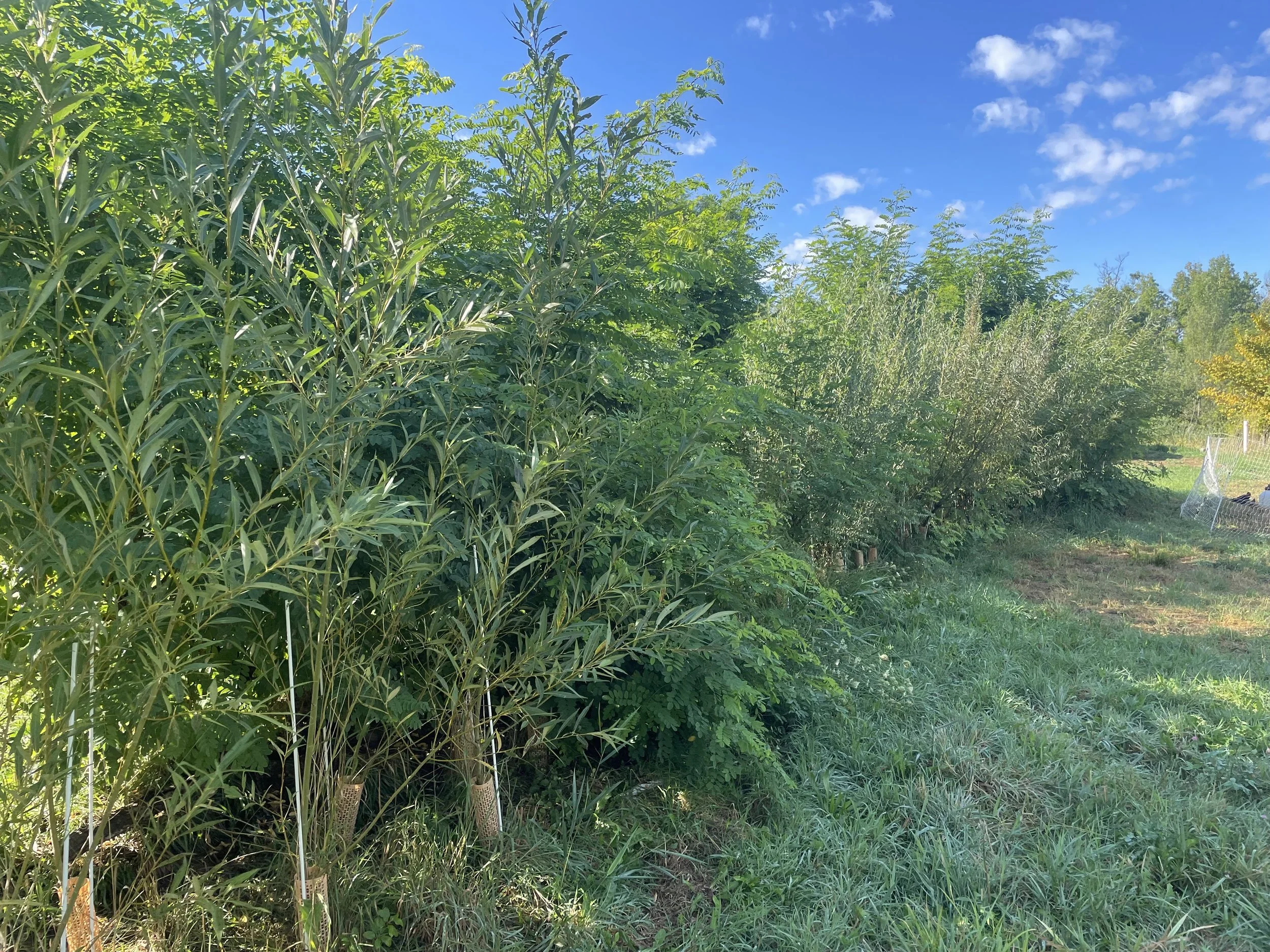
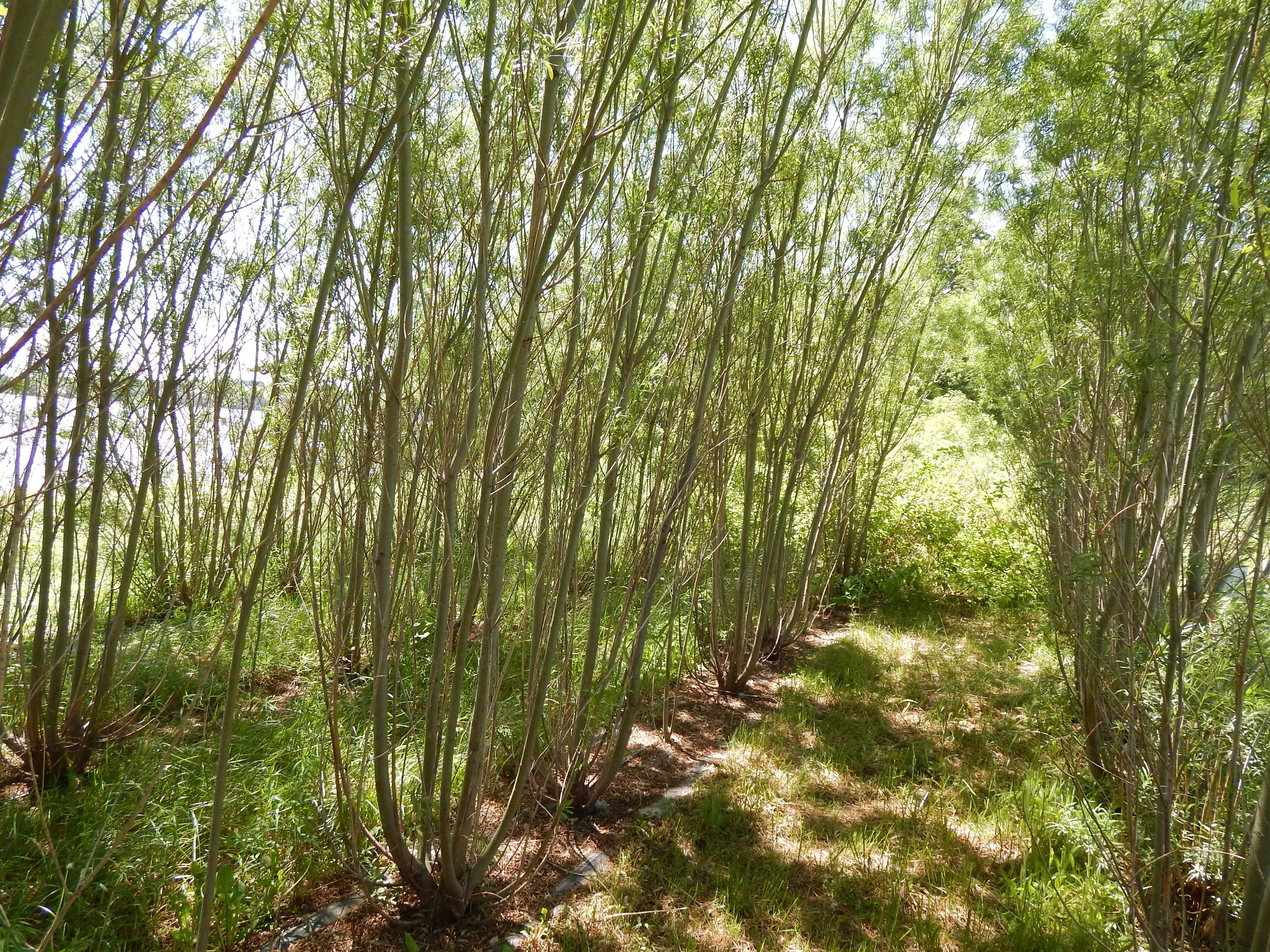
Willow and elderberry can be planted as single specimens or in dense plantings such as hedges, living fences, windbreaks, or fodder blocks. Spacing and layout will depend on your goals—privacy, biomass, animal fodder, or fruit production.
Planting willows doesn’t involve a lot of site preparation, although once they are planted it is important to monitor surrounding vegetation pressure, water access, and herbivore browse. Newly planted cuttings and young plants should be kept consistently hydrated during their first few months, either through drip irrigation or regular watering.
To manage competing vegetation, we recommend heavy mulching with wood chips, mulch, or cardboard. You can also use landscape fabric, though we encourage minimizing plastic where possible.
To manage herbivore browse, physical barriers such as welded wire cages, tree tubes, or perimeter fencing are often essential during establishment. Once willows and elderberries grow above browse height, they are generally quite resilient and forgiving.
Willow and elderberry can be planted as single specimens or in dense plantings such as hedges, living fences, windbreaks, or fodder blocks. Spacing and layout will depend on your goals—privacy, biomass, animal fodder, or fruit production.