
Tincture vs Powder:
Whats the difference?
There is good reason that mushroom supplements are capturing more attention; research shows the compounds can convey a lot of potential benefits to our health. With this interest, however, products have flooded the market that are wide ranging and wide ranging in terms of authenticity and quality.
Unfortunately, most mushroom supplements are made from cheaply produced and imported powders, without care or concern for the source origin or processing that goes into a truly medicinal product. On this page, we try and break down the basics of the most commonly available supplements: powders and tinctures.
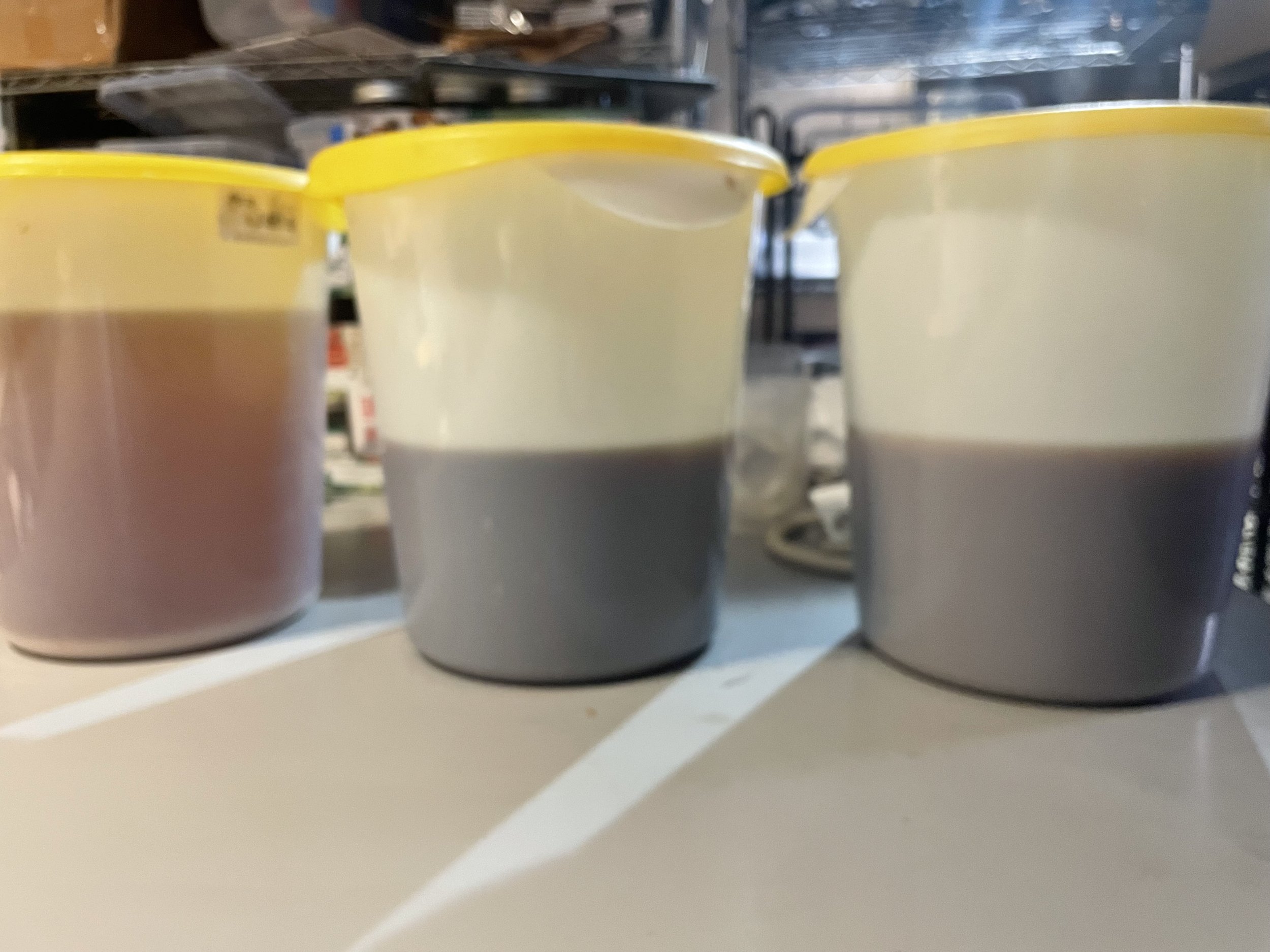
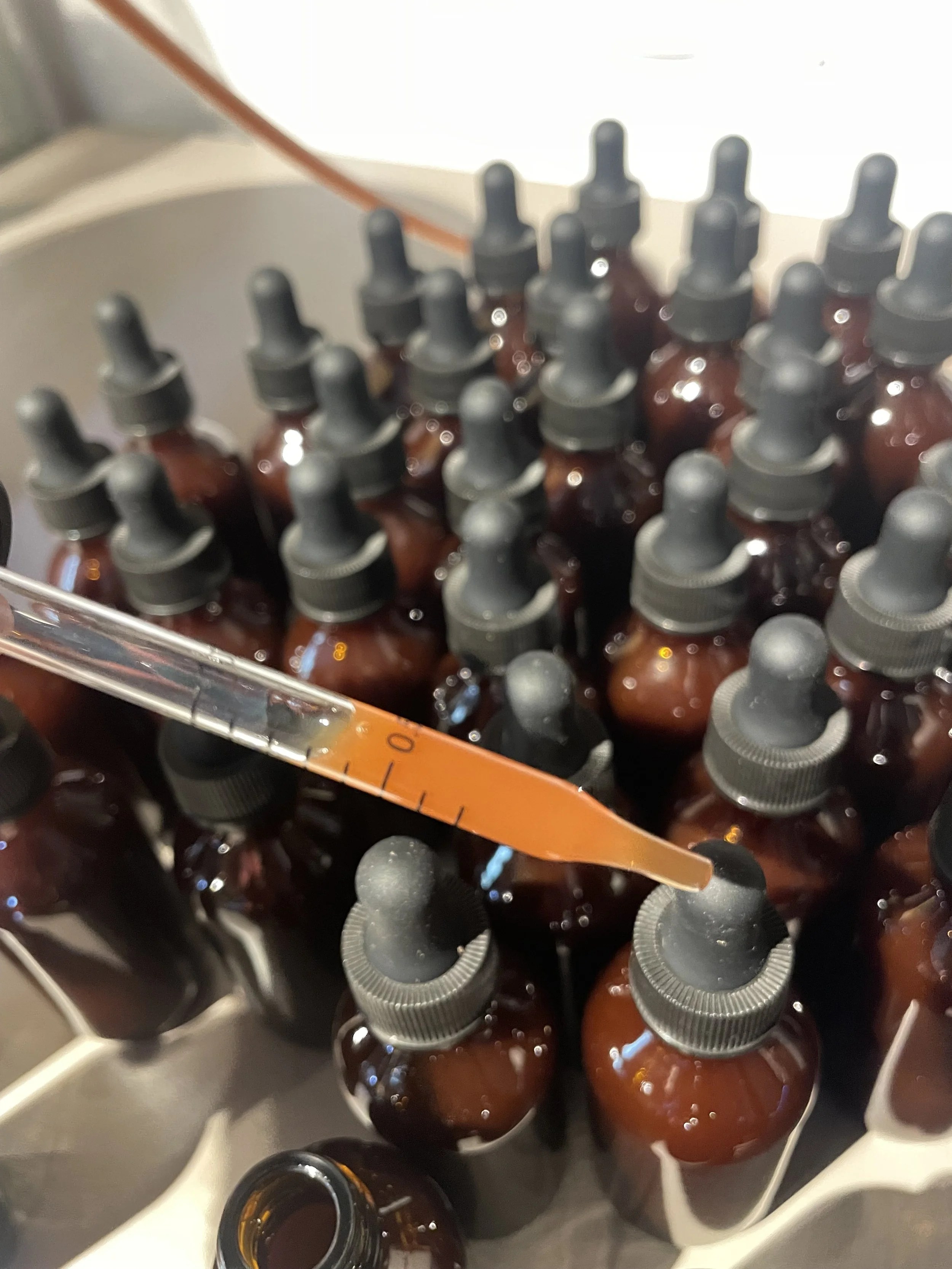
Tincture is a true extract.
The process of extraction requires intentionally putting fresh or dried mushrooms through a process to break down their cell walls and pull out compounds, ideally concentrating them in a stable form so they can be easily consumed over weeks or months.
Many mass-produced tinctures are often just powder, suspended in alcohol and/or water, then labeled as a medicinal product. The potency and quality is highly variable from one to the next and greatly depends on the quality of the mushrooms used in the process.
Over the last 15 years, we’ve refined our own extraction methods and now utilize a combination of traditional hot water extraction along with ultrasonic (sound wave) methods, which greatly enhance the process and final products.
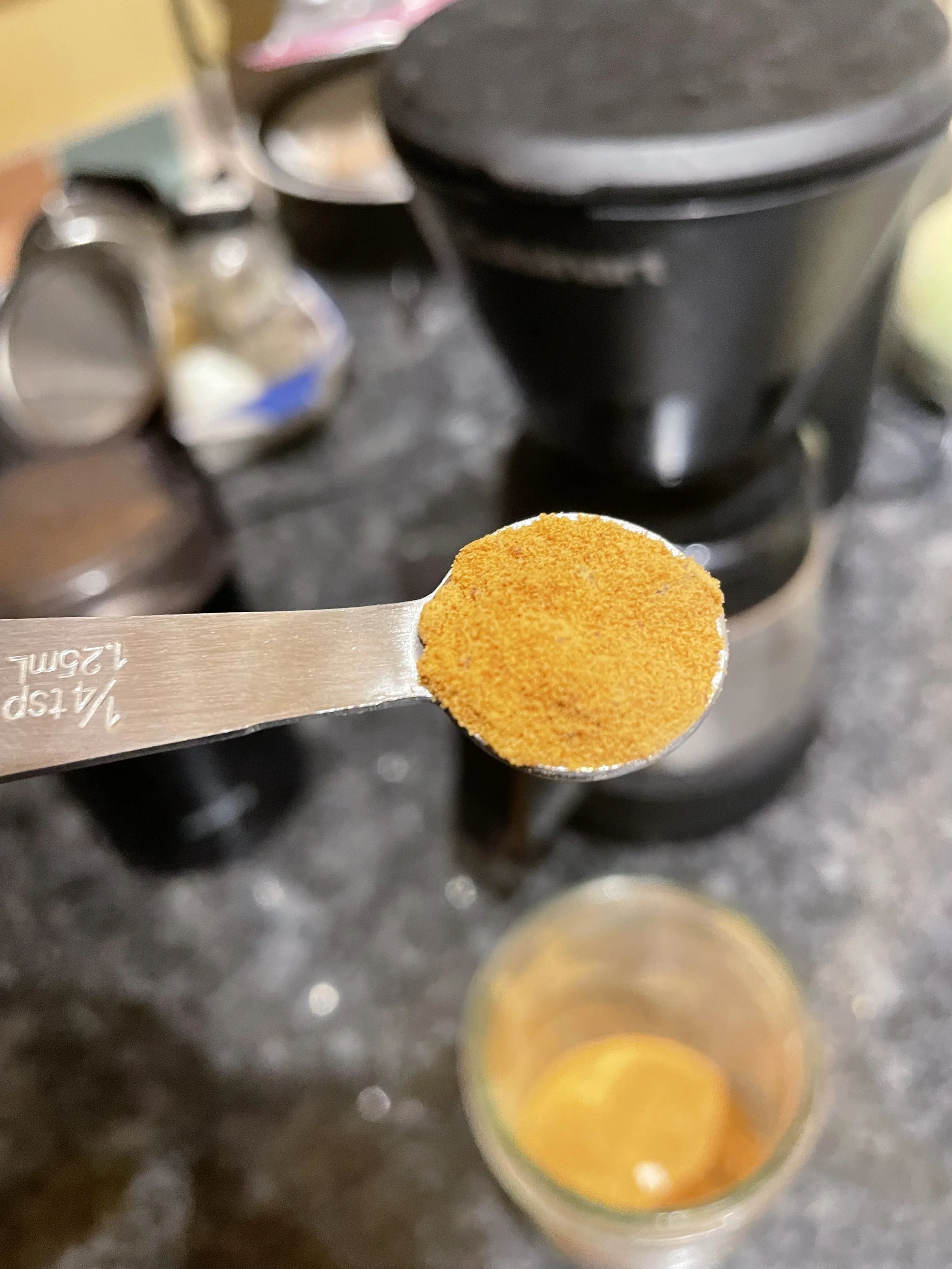
Powders are just dried mushrooms…sometimes.
At first glance, it would appear that powder is simple, right? Just dried mushrooms, ground finely into the final powder that can dissolve easily into a food or beverage.
Again, not all products are the same - many powders come from mushroom mycelium (the “roots’ of the mushrooms) grown on a grain such as rice or barely, and then dried and powdered. While this is a much cheaper way to produce powder, it contains a small fraction of the mushroom and a lot of grain filler that you are paying for.
Mushroom coffees, pills, and other supplements with dried mycelium have become the norm. But what are you getting for the price point?
We only use whole mushroom fruiting bodies, grown on our farm for our powders. We steam them before drying, to help break down their cell walls so it’s easier for the body to absorb.
Whats the best option for me?
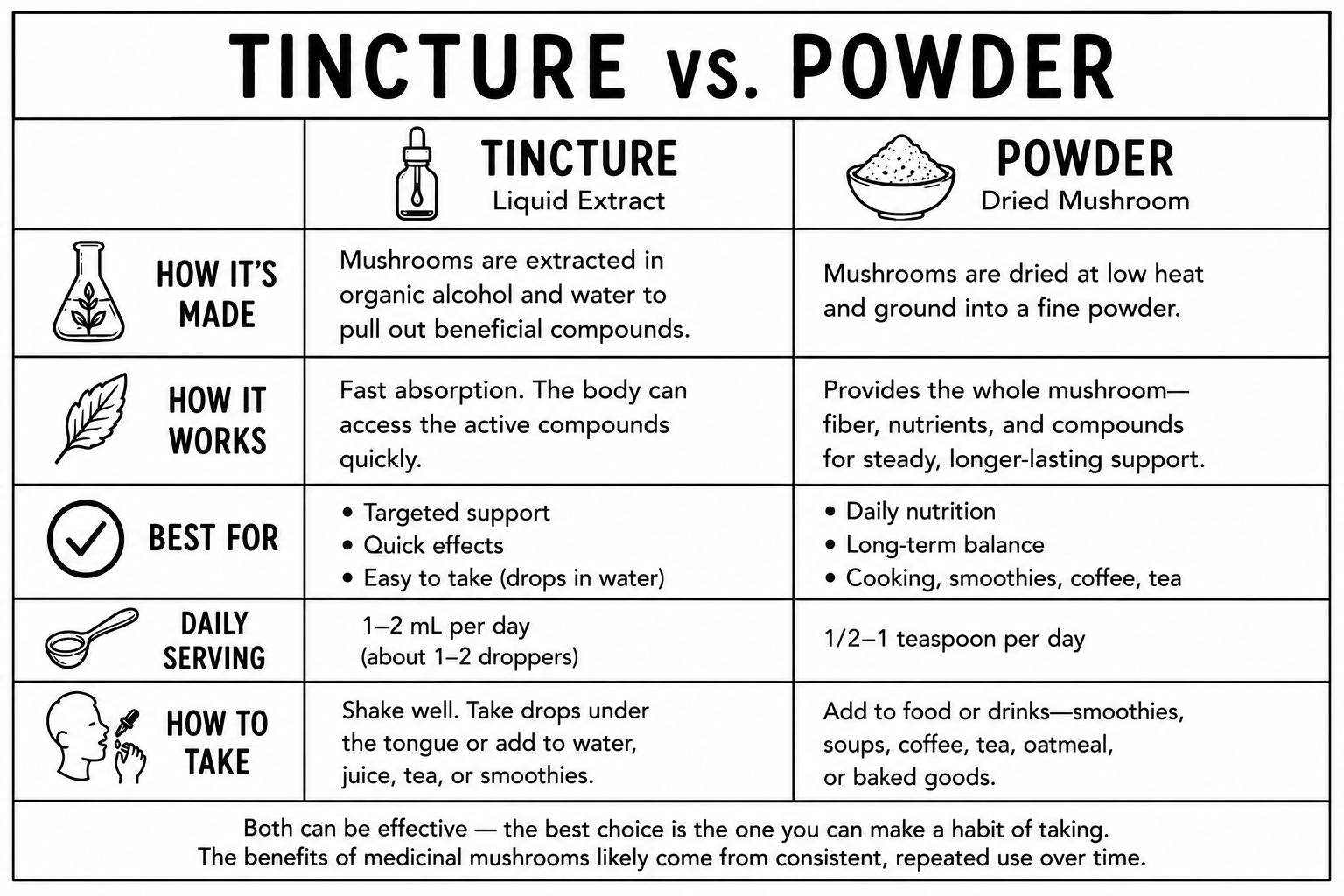
The simple answer: both options can be effective, and most important factor is often choosing what you (or your loved one) will end up taking on a routine basis. The potential benefits of mushroom supplements come from repeated exposure to smaller amounts, typically 1 - 2ml daily for tincture, and ½ to 1 teaspoon of powder.
Beyond this basic fact, the quality of the raw ingredients and the attention paid to their processing can really matter. Each form has its own benefits and drawbacks, as the chart shows.
Most of the therapeutic effects demonstrated in research have been based on extracted forms, not raw powders. Extracts show measurable immune activation, anti-tumor, and anti-inflammatory outcomes.
In sum, tinctures are more bioavailable and fast-acting, while powders are convenient for cooking or smoothies and offer additional fiber into the person consuming them.